
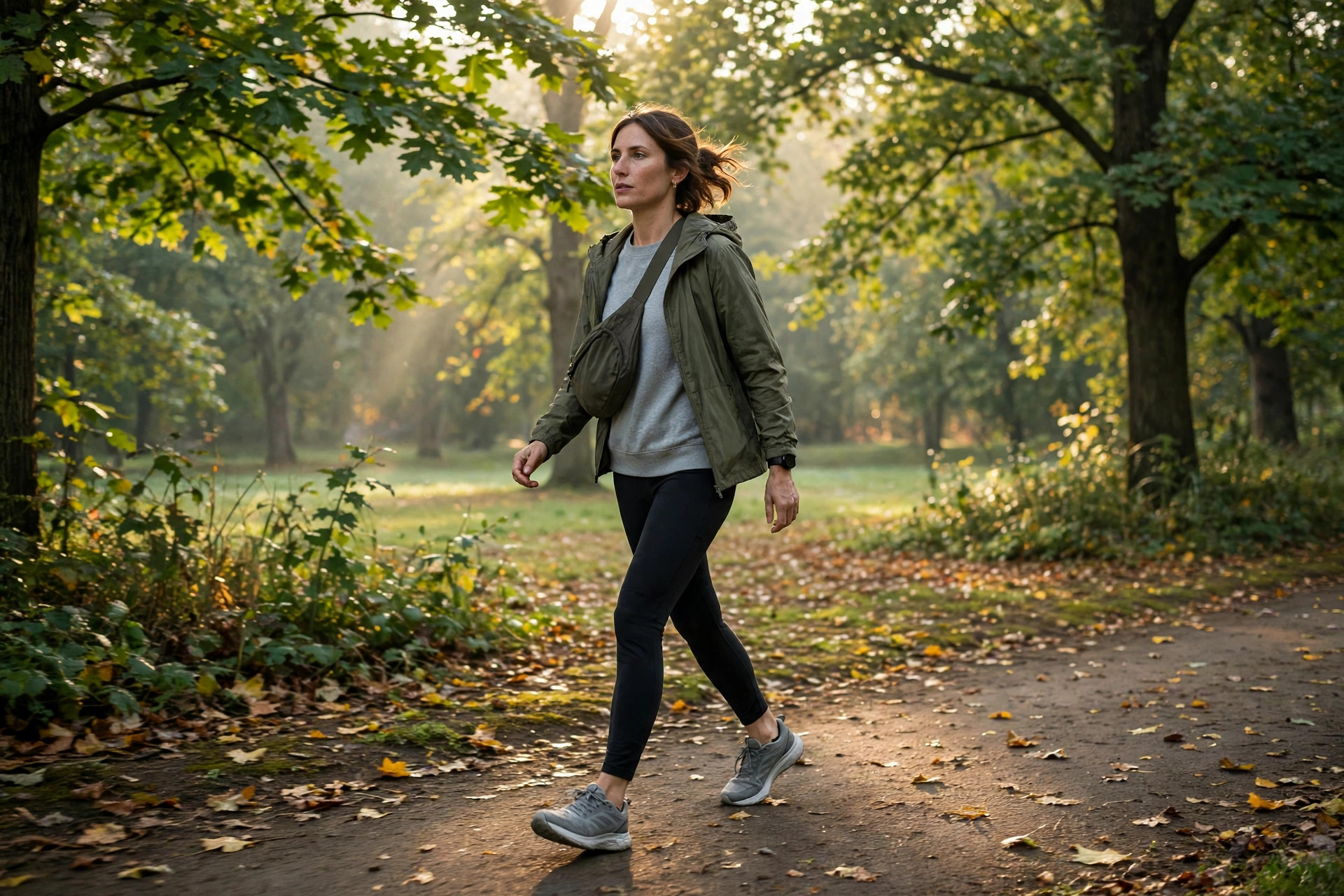
Most health advice sounds like a second job. Join a gym, buy special food, follow a complicated plan, wake up at five in the morning. No wonder so many of us start on Monday and quit by Thursday. But there is one habit that asks almost nothing of you, costs nothing, and still makes a real difference: walking 30 minutes a day.
You already know how to walk. You do not need lessons, equipment, or a membership. You just need shoes you can move in and a half hour you can protect. That simplicity is exactly why walking works where fancier plans fail — it fits into a normal life instead of demanding a new one.
Why 30 Minutes Is the Sweet Spot
Thirty minutes is long enough to matter and short enough to actually happen. A ten-minute stroll is pleasant, but it barely raises your heart rate. An hour-long workout sounds impressive, but on a busy day it is the first thing you cancel. Half an hour sits right in the middle: your breathing picks up, your legs get warm, your mind starts to clear, and you are home before the day has really noticed you were gone.
It also breaks down nicely. If one solid half hour feels like too much at first, split it. Walk fifteen minutes before lunch and fifteen after dinner. Your body does not care whether the minutes came in one block or two — it just counts the movement. That flexibility is what turns walking 30 minutes a day from a resolution into a routine.
What a Daily Walk Actually Does for You
Let us be honest: walking will not turn you into an athlete overnight, and anyone promising that is selling something. What it will do, quietly and steadily, is improve the things you feel every day.
First, your energy. It sounds backwards — spending energy to gain energy — but a regular walk genuinely leaves most people feeling less sluggish by the afternoon. Sitting all day makes you tired; gentle movement wakes your body up. Many people find their 3 p.m. slump gets smaller once walking 30 minutes a day becomes part of their schedule.
Second, your mood. A walk outside gives your brain a break from screens, noise, and notifications. There is something about moving through fresh air — even just around your own neighbourhood — that untangles a knotted thought better than staring at it. If you have ever solved a problem halfway through a walk, you know exactly what I mean.
Third, your body gets stronger in small, useful ways. Your legs, your balance, your stamina on stairs — all of it improves a little at a time. You might not notice it week by week, but one day you will walk up a hill that used to leave you breathless and realise it does not anymore. That is progress, even if no one applauds it.
Walking is not a cure for anything, and it does not replace medical advice. If you have a health condition, check with your doctor before starting any new routine. But as an everyday habit for a generally healthy person, it is one of the safest places to start.
Getting Started Without Overthinking It
The biggest mistake beginners make is treating the first walk like a project. They research shoes, download three apps, and plan a route — and then never actually leave the house. Keep it simple instead.
Pick a time that already exists in your day. Right after breakfast, during your lunch break, or just before sunset all work well. Tie the walk to something you already do, like walking straight after your morning routine, so you do not have to decide each day whether to go. Decisions are where good habits go to die; routines are where they survive.
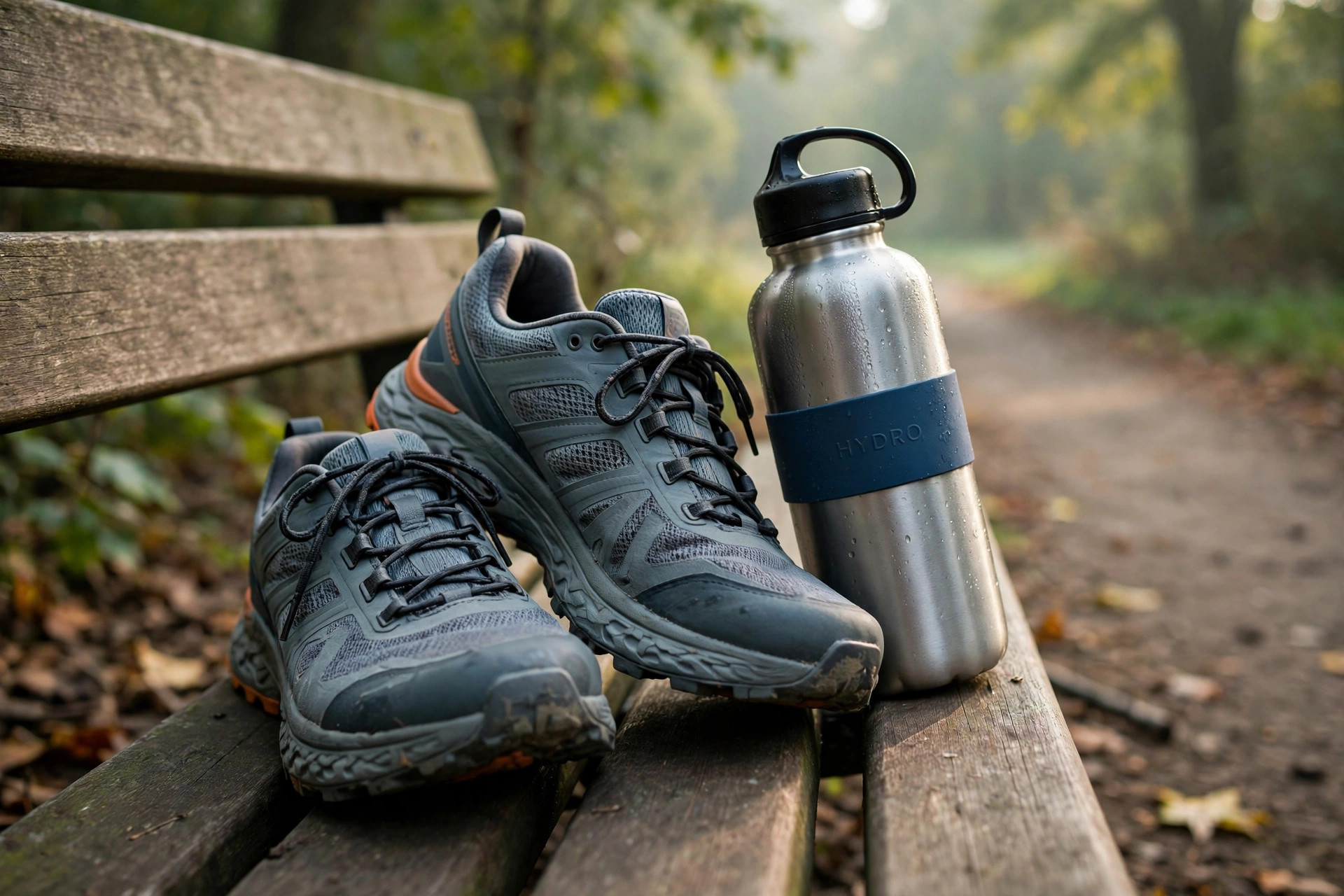
Wear whatever shoes are comfortable. You do not need special walking shoes for a half-hour stroll — ordinary trainers are fine. Take water if it is hot, take your phone if you like listening to music or a podcast, and leave the rest behind. The goal is a walk, not a photoshoot.
On the first week, do not worry about speed. Walk at a pace where you can talk but would rather not sing — that is about right. If you get home slightly warm and pleasantly tired, you did it correctly.
Make It Stick: Small Tricks That Actually Work
Starting is easy; sticking with it is the hard part. A few small tricks help more than willpower ever will.
Walk with someone when you can. A walking partner turns exercise into a conversation, and you are far less likely to skip a walk when someone is waiting for you at the corner. If no one is free, a good podcast works almost as well — save one show just for walks, and you will actually look forward to the next episode.
Change your route sometimes. The same street every day gets boring, and boring is dangerous for habits. Try a park one day, a different neighbourhood the next, a lakeside path on the weekend. New scenery keeps your brain interested, and interesting walks get repeated.
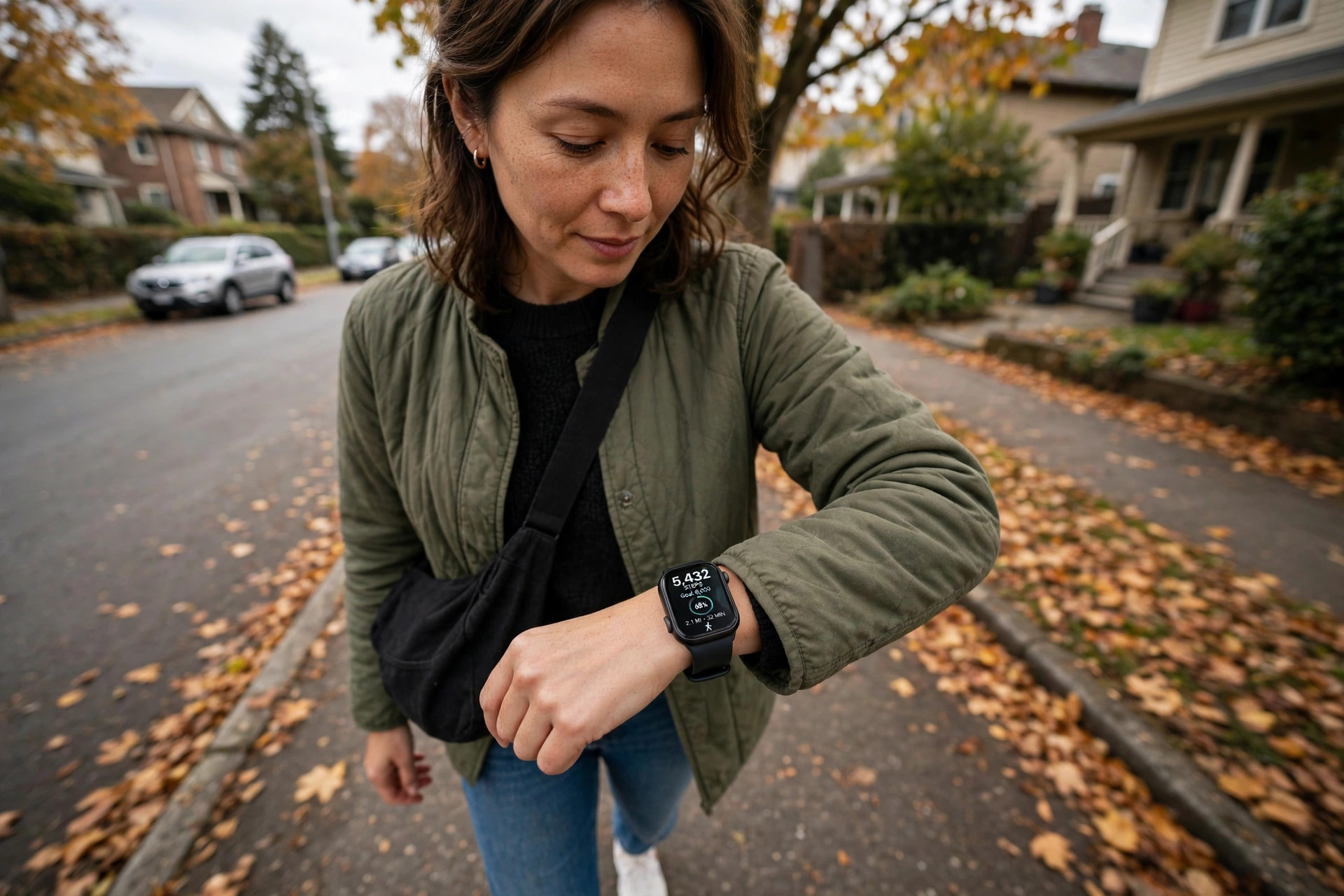
Track it loosely, not obsessively. A phone or a watch that counts your steps is a nice motivator, especially when you see a streak building. But do not let the numbers rule you. A slow walk on a bad day still counts. A missed day is not a failure — it is just a missed day. The streak that matters is the long one: most days, most weeks, most months.
And if the weather turns bad, have a backup plan instead of an excuse. Walk around a shopping mall, do laps of your building, or march in place at home while you watch the news. It is not glamorous, but it keeps the habit alive, and keeping it alive is the whole game.
A Simple First Week
If you want a concrete plan, here is one that works for most beginners:
Day one and two: walk 15 minutes at an easy pace, just to get used to the routine. Day three and four: stretch it to 20 minutes, and pick up the pace slightly. Day five: try a full 30 minutes. Day six: walk 30 minutes on a different route, somewhere you have not been before. Day seven: rest, or take a gentle 15-minute stroll — and then notice how much easier the week felt by the end.
From week two onwards, aim for walking 30 minutes a day on most days. Five days a week is a great target. Seven is fine too, once your legs are used to it, but rest days are not cheating. Your body builds strength on rest days as much as on walking days.
Frequently Asked Questions
Is walking 30 minutes a day enough exercise?
For general health, it is an excellent foundation. Health guidelines commonly recommend about 150 minutes of moderate activity a week, and five 30-minute walks hit that number exactly. If you want to get fitter, you can add faster intervals or longer weekend walks later — but as a starting habit, it is genuinely enough.
Do I need to walk fast for it to count?
Brisk is better than slow, but slow still counts. Aim for a pace where your breathing is a little heavier than normal and you can talk in short sentences. Speed will come naturally as your fitness improves, so do not force it in week one.
What if I cannot do 30 minutes at once?
Split it. Three ten-minute walks spread through the day give you most of the same benefit. The total matters more than the format, especially when you are building the habit.
Is it better to walk in the morning or evening?
Whichever time you will actually do. Morning walks pair nicely with a morning routine and set a good tone for the day; evening walks help you unwind and sleep better. The best time is the one that survives your real schedule.
Final Thoughts
We overcomplicate health because simple advice feels too easy to be true. But walking 30 minutes a day really is that simple — and that is its superpower. No gym, no gear, no grand plan. Just you, a pair of comfortable shoes, and half an hour that belongs to you.
Start today, not Monday. Walk out of the door, go for thirty minutes, and see how you feel when you get back. Then do it again tomorrow. That is how a habit is born — not with a dramatic announcement, but with one ordinary walk, repeated.
If you liked this practical, no-nonsense approach, you may also enjoy our guide to a morning routine for energy — another small daily habit that pays off far more than it costs.
Related reading: our evening routine, our guide to a strong password, and our free AI tools.
Keeping this habit going is simpler than it sounds. When walking 30 minutes a day becomes part of your daily routine, walking 30 minutes a day stops feeling like exercise and starts feeling like a welcome break. On busy days, walking 30 minutes a day can still fit around work, family, and rest, which is why it lasts long after stricter plans have faded.